

date:
02.2021.22Soothe Aches and Pains the Traditional Way: Your Guide to Herbal Topical Patches

Hey there, folks over 40! Are you experiencing that nagging shoulder discomfort, persistent lower back pain, or perhaps those "old friend" knee aches that just won't quit? We get it. Everyday aches and pains can really put a damper on your quality of life. What if ancient wisdom held a surprisingly simple key to finding some relief?
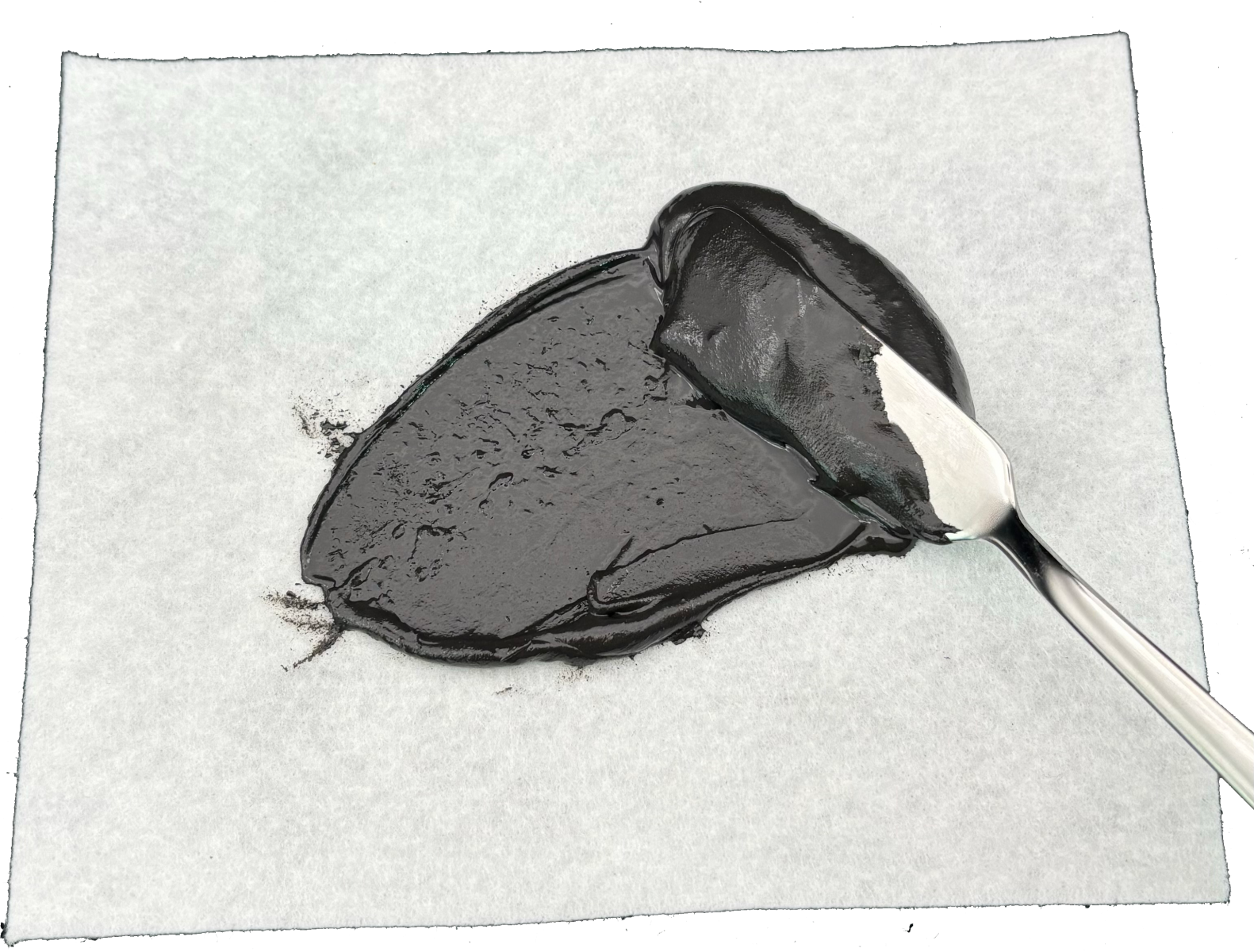
Today, we're going to dive into the world of herbal topical patches, often called "black膏藥" (pronounced hēi gāo yào) in Traditional Chinese Medicine (TCM). We'll show you how you can safely and effectively incorporate this time-honored remedy into your self-care routine right from your own home. No special training needed – just a little know-how!
.png)
What You'll Need Before You Start
Before you apply your herbal topical patch, gather these simple items, many of which you likely already have around the house or can easily pick up at your local pharmacy:
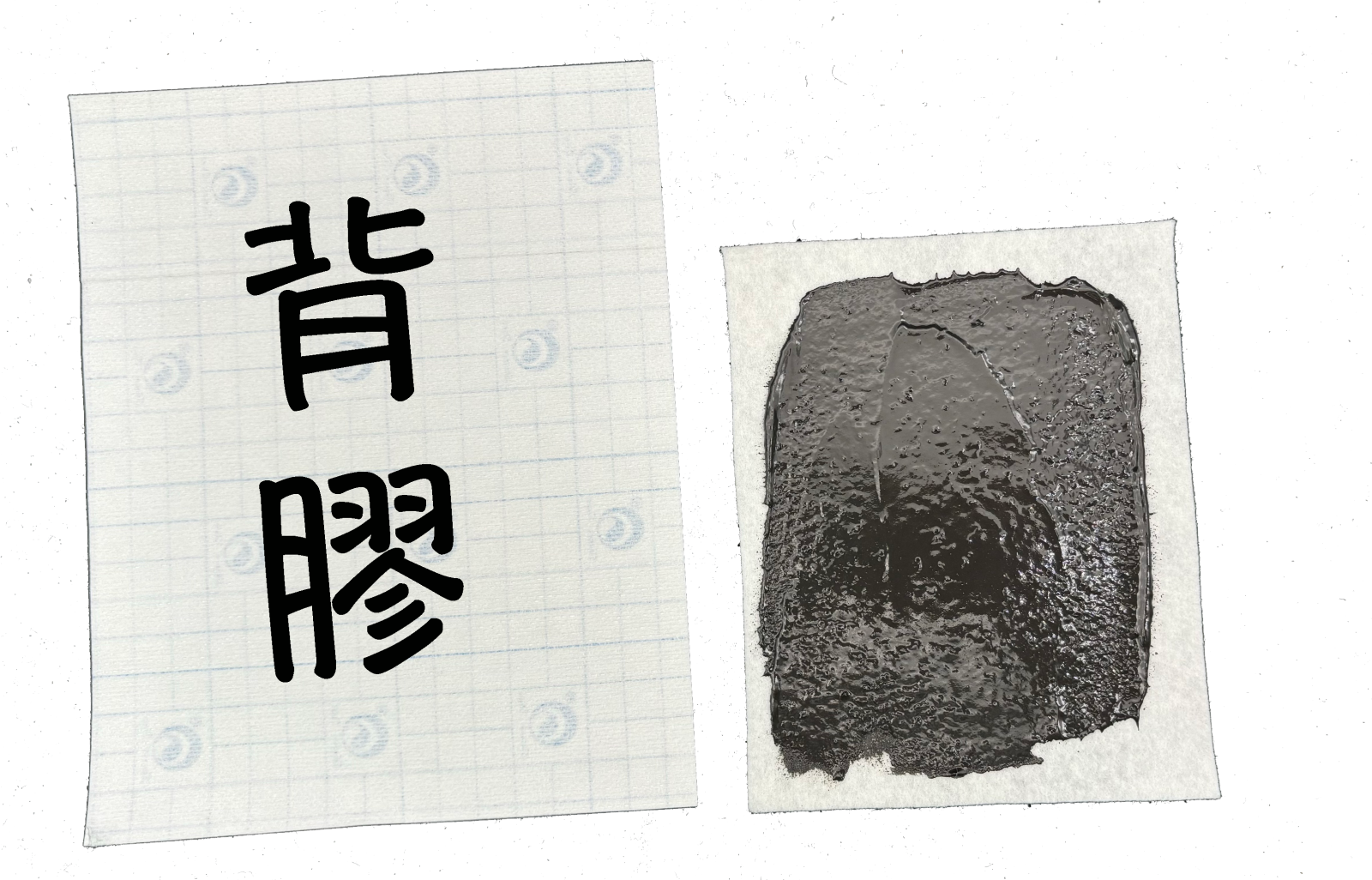
- Non-Woven Fabric or Gauze Pad: This will be your base for the herbal paste. Look for soft, skin-friendly options, similar to what you'd use for a wound dressing. A standard size (e.g., 2x2 or 3x3 inches) works well.
- Adhesive Tape (Medical Grade): To secure the patch firmly in place. Think of durable medical tape or even a larger fabric bandage (like a band-aid) that can hold the non-woven fabric.
- Plastic Wrap or Thin Cloth: To cover the applied patch and prevent any transfer of the herbal paste onto your clothes or bedding.
- Spatula or Butter Knife: For evenly spreading the herbal paste. A clean plastic spatula, a butter knife, or even the back of a spoon will do the trick.
Step-by-Step Application of Your Herbal Topical Patch
Applying these patches is straightforward. Follow these steps for best results:
- Prep Your Pad: Using your spatula, take a small amount of the herbal paste and spread a thin, even layer onto the center of your non-woven fabric or gauze pad. Make sure to leave about a half-inch border clear around the edges. This is crucial to prevent the paste from oozing out when you secure it or if it rubs against clothing, keeping your clothes pristine. Take your time with this step.
- Cover the Paste: Gently place a piece of plastic wrap or a thin, clean cloth over the herbal paste you just spread on the fabric. This acts as a barrier, preventing excessive direct contact with your skin and, importantly, stopping the paste from sticking to your clothes.
- Position on the Affected Area: Carefully place the prepared patch combination directly onto the area where you're experiencing pain or discomfort.
- Secure It Firmly: Using your medical adhesive tape, secure the entire patch assembly firmly onto your skin. Make sure it's pressed down well, especially around the edges, so it stays put even with movement. And just like that, your herbal topical patch is applied!
Aftercare and Important Considerations
Once you're ready to remove the patch, or if you've been wearing it for the recommended duration (check product instructions for specific wear times, but typically 4-8 hours), here’s what to do:
- Gentle Cleansing: After removing the patch, gently wash the area with warm water. You can use a mild soap, but choose one that's gentle on your skin. Pat the area dry with a clean towel.
- Critical Precautions: NEVER apply these herbal patches to open wounds, cuts, or inflamed skin. Doing so could lead to irritation or other skin issues. If you experience any adverse skin reactions like itching, redness, a rash, or swelling, remove the patch immediately and consult with a healthcare professional.
|
Q1 |
How long should I leave the herbal patch on? Can I sleep with it on? |
|
A |
The recommended wear time for most TCM herbal ointment patches is 4–8 hours per application. Many people apply the patch in the evening and wear it overnight, which works well as long as the skin underneath is intact and dry before application. Remove the patch in the morning, wash the area gently with warm water, and allow the skin to breathe for a few hours before reapplying. Do not wear the same patch for more than 8 hours or leave it on continuously without breaks — daily skin rest time helps prevent moisture buildup and skin irritation. |
|
Q2 |
How do I apply the patch to my lower back or shoulder by myself? |
|
A |
For the lower back: spread the ointment on non-woven fabric, then attach it to the fabric side of a slightly larger piece of medical tape, forming a self-adhesive patch you can peel and press on by yourself. For the shoulder: sit in front of a mirror to position the patch accurately, then press firmly on all four edges. Pre-cutting strips of medical tape before you start makes securing it much easier. For hard-to-reach areas, having another person help with positioning and securing is the most reliable approach. |
|
Q3 |
The patch keeps falling off. What am I doing wrong? |
|
A |
The most common reasons a patch falls off: (1) Skin not clean or dry before application — any lotion, sweat, or moisture prevents tape adhesion. (2) Tape edges not pressed firmly enough — after securing, press each edge for 5–10 seconds. (3) Patch too large for a joint area — joints flex during movement, so use a smaller patch and position it slightly away from the bending point. (4) Using regular tape instead of medical-grade adhesive tape — fabric medical tape holds much better on skin than regular stationery tape. |
|
Q4 |
My skin feels itchy under the patch. Is that normal or should I stop? |
|
A |
Mild itching under the patch is common and often indicates the herbs are being absorbed — this is generally normal. However, if you notice significant redness, a rash, raised welts, or blistering, remove the patch immediately and wash the area. These are signs of a skin sensitivity reaction and you should not continue using the product until you have consulted a pharmacist. To test your skin sensitivity before full use: apply a small amount of ointment to the inner wrist, cover with gauze, and wait 24 hours. If no reaction, proceed with normal use. |
|
Q5 |
Can I use the herbal patch while exercising or going to work? |
|
A |
Yes — many people wear the patch during their normal daily activities. A few tips for active use: use a second layer of medical tape over the edges for extra security; choose non-woven fabric rather than gauze as the base (it moves more naturally with the skin); avoid placing the patch directly over joints that bend frequently (like the inside of a knee) as repeated flexing will loosen even the best adhesive. For workouts with heavy sweating, apply after exercise instead of before. |
|
Q6 |
How often should I apply the patch? Is daily use safe? |
|
A |
Daily use (one application per day, 4–8 hours on, then off) is appropriate for chronic conditions being managed over weeks. Allow the skin to breathe between applications. Do not apply to the exact same skin area for more than 10–14 consecutive days without a 1–2 day break. For adults with intact skin and no known herb allergies, long-term use is generally well tolerated. If skin becomes dry, irritated, or develops any reaction, reduce frequency and consult our pharmacist. |
|
Q7 |
What is the difference between applying herbal ointment as a patch vs. rubbing it in directly? |
|
A |
Direct rubbing delivers some topical benefit but the contact time is short — the ointment is absorbed or evaporates within an hour. The patch method creates sustained continuous contact between the herbs and skin for 4–8 hours, allowing deeper and more consistent absorption over time. For acute muscle soreness or minor discomfort, direct rubbing is convenient. For chronic soft tissue conditions (tendonitis, old sprains, persistent back or shoulder pain), the patch method gives significantly better results. Think of it like the difference between a quick massage and a sustained physiotherapy session. |
|
Q8 |
Where can I get TAIYUN herbal ointment in the US or overseas? |
|
A |
TAIYUN Pharmaceutical's Wei Yi An (black herbal ointment, DOH Mfg. No. 015239) and Su Yi An (green herbal balm, DOH Mfg. No. 015078) are available for international orders including the United States, Malaysia, Singapore, and other countries. Due to Taiwan pharmaceutical regulations they are not sold on retail platforms. Contact our pharmacist via WhatsApp: https://wa.me/message/IOR3XAXSPBKIA1 or Line: @typhd. We provide a free pre-purchase consultation to confirm the right product for your condition and advise on correct application. |
About the Author — TAIYUN Pharmaceutical, Pharmacist Supervised
This article is written and reviewed by TAIYUN Pharmaceutical Co., Ltd., a Taiwan-based company specializing in traditional TCM topical ointments. All products are pharmacist supervised, Made in Taiwan, GMP-certified, with complete ingredient disclosure. Free pharmacist consultation before purchase.
■ Free Pre-Purchase Pharmacist Consultation
WhatsApp: Click to consult | Line: Click to consult | Tel: +886-37-867197
